
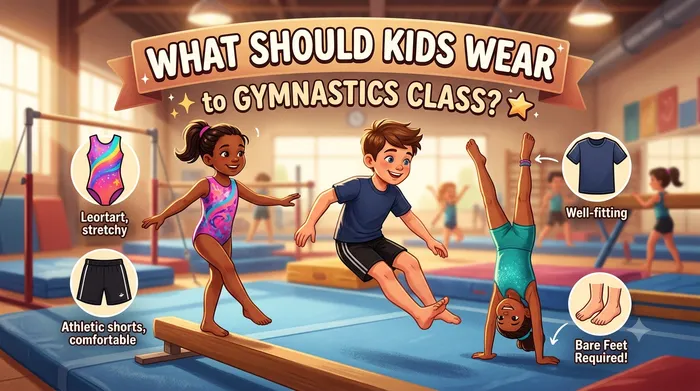
What Should Kids Wear to Gymnastics Class?
One of the first practical questions parents ask is what their child should wear to gymnastics. The right clothing helps children move freely, stay safe and feel comfortable throughout the class. The wrong clothing can restrict movement, create distraction or even pose a minor safety risk.
This guide explains the best gymnastics dress for kids, why certain choices matter, and simple rules that work for most beginner and recreational classes in Bangalore.
Quick rule of thumb: Clothes should be fitted enough to stay in place, stretchy enough for full movement, and free of anything that can catch or distract.
Why Clothing Choices Matter in Gymnastics
Gymnastics involves rolling, inverting, swinging, balancing and jumping. Clothing that is too loose can cover a child’s eyes during a roll or get caught on equipment. Clothing that is too tight or non-stretchy restricts the shapes children need to make. Accessories can become hazards.
Good attire supports safety and allows coaches to see body alignment clearly so they can give accurate feedback.
Recommended Clothing for Girls
Most girls in recreational and beginner classes wear one of the following:
- A leotard (sleeveless or short-sleeved) – the classic and most practical choice
- A fitted athletic top paired with bike shorts or fitted short leggings
- A gymnastics unitard (one-piece with short or full legs)
These options stay in place during upside-down movements and allow coaches to check posture and body line.
Avoid:
- Loose t-shirts that fall over the face
- Baggy shorts or trousers
- Skirts or dresses
- Jeans or any non-stretch fabric
Recommended Clothing for Boys
Boys typically wear:
- A fitted t-shirt or athletic top
- Shorts that are not too baggy (bike shorts or sports shorts with a reasonably close fit work well)
- Some boys prefer a leotard or unitard-style suit designed for male gymnasts
The main goals remain the same: clothing should stay in place, allow full range of motion, and not create excess fabric.
Avoid:
- Oversized t-shirts
- Long or very baggy shorts
- Tracksuit bottoms or jeans
- Clothing with large logos or decorations that can catch
Footwear and Socks
In almost all gymnastics classes, children train barefoot.
Bare feet give the best grip on the floor and beam and allow proper foot and ankle development. Socks are usually removed because they reduce traction and can be slippery.
Some centres may allow soft gymnastics shoes for specific medical reasons, but this is uncommon. Always check with the academy if your child has a particular need.
Hair, Jewellery and Accessories
Hair
Long hair should be tied back securely so it does not fall into the eyes during rolls or inverted skills. A simple ponytail, braid or bun works well. Avoid large hard hair accessories that could dig into the head during floor work.
Jewellery
All jewellery should be removed before class. Rings, necklaces, earrings, bracelets and watches can catch on equipment or injure the child or a classmate.
Other accessories
Watches, fitness trackers and decorative items are best left at home or in the bag.
Layering for Bangalore Weather
Bangalore temperatures vary, and some training halls are cooler than outdoors. A light jacket or tracksuit can be worn to the centre and removed before class begins. During class itself, children should stay in their fitted training clothes so movement remains unrestricted.
In warmer months, breathable fabrics help children stay comfortable.
What About Competitive or Advanced Classes?
As children move into more advanced or competitive training, dress codes often become stricter. Many competitive groups require specific leotards or training suits. For pure beginner and recreational classes, the flexible guidelines above are usually sufficient.
Always follow the individual academy’s stated dress code if one is provided.
Practical Checklist for Parents
Before leaving home, quickly check:
- Fitted top or leotard
- Fitted shorts or leggings (if not wearing a leotard)
- No loose or baggy clothing
- Hair tied back securely
- All jewellery removed
- Bare feet ready (socks off for training)
- Water bottle and any required personal items
Having a dedicated gymnastics bag makes the routine easier for both parent and child.
Comfort and Confidence
When children feel comfortable in what they are wearing, they can focus on learning rather than adjusting clothes. Fitted, stretchy attire also helps them feel like part of the class. Over time, many children develop a preference for their gymnastics clothes and associate them with positive training experiences.
Local Advice for Bangalore Families
Most recreational gymnastics centres in Bangalore, including those in Whitefield, Kundalahalli and surrounding areas, follow the practical guidelines outlined above. If you are unsure, the simplest approach is to start with a fitted athletic top and bike shorts or a basic leotard, then adjust based on coach feedback after the first class.
You can review programme details and practical information on the programmes page and the kids gymnastics page. Common parent questions are answered on the FAQ page. For specific dress-code clarification or to arrange a trial class, use the contact page. Further background on the training approach appears on the about page.
Frequently Asked Questions
Can my child wear leggings?
Yes, provided they are fitted and not overly loose or long enough to slip over the feet.
Is a special gymnastics leotard required for beginners?
Usually not. Many children start with regular fitted athletic wear and move to a leotard later if they wish.
What if my child feels cold?
They can wear a light layer to the gym and remove it before training begins. During class, movement itself helps keep them warm.
Are there differences for toddler classes?
Toddler sessions follow the same principles but may be slightly more flexible. Fitted, comfortable clothes that allow crawling, rolling and climbing remain best.
Conclusion
Knowing what to wear to gymnastics class removes one common source of uncertainty for parents. The best gymnastics dress for kids is simple: fitted, stretchy clothing that stays in place, allows full movement, and keeps the child safe. Bare feet, tied-back hair and no jewellery complete the practical checklist.
When children are dressed appropriately, they can focus fully on learning balance, coordination and new skills. A little preparation at home supports a smoother, more enjoyable experience on the floor.
If you are preparing for a first class, choose comfortable fitted activewear, remove accessories, and arrive ready to ask the coach any remaining questions. The right attire helps every session start on a positive and practical note.