
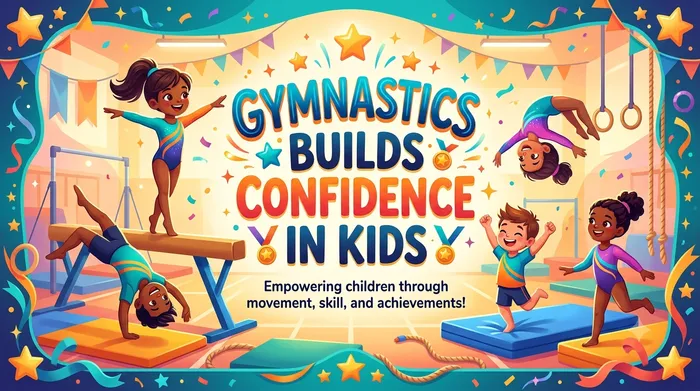
Why Gymnastics Builds Confidence in Kids
Confidence is one of the most valuable gifts a child can carry into school, friendships, and later life. Many parents in Bangalore look for activities that do more than burn energy. They want something that helps children believe in themselves. Gymnastics stands out because it builds confidence in a clear, step-by-step way that children can feel and parents can see.
At its core, gymnastics is about learning controlled movement. A child starts with simple rolls or balances and gradually adds new skills. Each small success creates a sense of “I can do this.” Over time, those moments add up into real self-belief. This is why so many families choose structured gymnastics classes for kids in Bangalore.
In this article, we explore exactly how gymnastics builds confidence, what happens inside a well-run class, and how parents can support the process at home.
The Connection Between Movement and Self-Belief
Children develop confidence when they experience progress they can measure. Gymnastics gives them that progress every week. Unlike free play, where improvement can feel random, gymnastics follows a clear path: foundations, skill-building, refinement, and mastery.
A child who could not hold a balance on the beam last month can now hold it for several seconds. A child who struggled with a forward roll now performs it smoothly. These visible changes matter. Children notice them, coaches point them out, and parents celebrate them. That recognition reinforces the idea that effort leads to results.
Research on physical activity and child development consistently shows that mastery of physical skills supports emotional growth. When a child feels capable in their body, that feeling often transfers to the classroom and social settings. Gymnastics is especially effective because it demands focus, coordination, and controlled risk-taking in a safe environment.
How Structured Classes Create Safe Challenges
Confidence grows best when challenges feel achievable yet stretch the child a little. Good gymnastics programmes design classes this way. Sessions usually begin with a warm-up, move through skill stations, and end with a short game or cool-down. Younger children (around ages 4–10) and older kids and teens (11–16) train in separate groups so the pace matches their stage.
Small batch sizes of 8–14 students make a real difference. Coaches can give individual feedback instead of general instructions. A child who needs more time on a handstand or beam walk receives that attention. This personal guidance prevents frustration and keeps motivation high.
Safety is non-negotiable. Soft mats, progressive progressions, and trained coaches reduce the fear of falling or failing. When children feel physically safe, they are more willing to try new skills. That willingness itself builds confidence. You can explore how these principles work in practice on the kids gymnastics programme page.
Skill Mastery: The Confidence Engine
Every gymnastics skill has clear stages. A cartwheel begins with a simple side lunge and arm reach. A beam walk starts with walking along a line on the floor. Children see the steps ahead of them and understand that today’s small effort connects to tomorrow’s bigger achievement.
This process teaches two powerful lessons:
- Effort produces improvement.
- Setbacks are temporary and useful.
When a child falls or loses balance, the coach helps them analyse what happened and try again. The message is not “you failed.” The message is “let’s adjust and try once more.” Over months, children internalise this mindset. They become more resilient both on and off the mat.
Parents often report that children who train regularly start approaching schoolwork and new social situations with less hesitation. The same pattern of “try, adjust, improve” transfers naturally.
Physical Strength and Body Awareness
Stronger muscles and better coordination change how a child moves through the world. Climbing stairs, carrying a school bag, or joining a playground game feels easier. Children notice this change. They stand taller, move with more purpose, and feel less clumsy.
Gymnastics develops functional strength through bodyweight exercises rather than heavy equipment. Core strength, shoulder stability, and leg power improve together. Flexibility work reduces stiffness and the risk of minor injuries. Better body awareness also improves posture and spatial judgment.
These physical gains feed confidence. A child who feels strong and coordinated is less likely to hang back during games or sports at school. They participate more readily and enjoy the social side of physical activity.
Discipline, Focus, and Emotional Regulation
Gymnastics classes follow predictable routines. Children learn to listen for instructions, wait their turn, and focus on one skill at a time. These habits strengthen attention and self-control.
For some children, especially those who benefit from extra structure, this predictability is particularly helpful. Short, clear tasks and consistent coaching create a calm environment where focus can grow. Programmes that include an ADHD-support track take this further by designing sessions around attention and self-esteem. You can learn more about that approach on the ADHD support programme page.
Emotional regulation improves because children practise managing mild frustration in a supportive setting. They learn that nerves before a new skill are normal and that breathing and focus help. Over time, this emotional toolkit becomes part of how they handle challenges elsewhere.
Social Skills and Belonging
Group training creates natural opportunities for teamwork and friendship. Children encourage each other, celebrate shared milestones, and learn to communicate during partner drills or circuit stations. Feeling part of a group that shares goals reduces isolation and builds social confidence.
In Bangalore’s busy urban environment, structured after-school activities give children a consistent social circle outside school. The friendships formed on the gymnastics floor often extend beyond class times and give children another place where they feel accepted and capable.
What Parents Can Do to Support Confidence Growth
Parents play an important role. Here are practical ways to reinforce the confidence built in class:
- Celebrate effort and small improvements rather than only perfect results.
- Ask open questions such as “What felt better this week?” instead of focusing only on difficulty.
- Maintain consistent attendance so progress remains steady.
- Avoid comparing one child with another. Every child’s timeline is different.
- Model a calm response to setbacks so children learn that mistakes are part of learning.
Visiting the centre, meeting the coaches, and understanding the progression path also helps. When parents and coaches share the same language around effort and progress, the child receives a consistent message.
Choosing the Right Environment in Bangalore
Not every gymnastics class delivers the same results. Look for certified coaches, small group sizes, clear age and skill groupings, and a progressive curriculum that moves from foundations to more advanced work. A supportive atmosphere where safety and encouragement come first matters as much as the equipment.
Viswajit Nikhath Gymnastiks in Kundalahalli offers programmes designed around these principles. Classes are available for toddlers, kids, and adults, with options that range from pure recreational training to pre-competitive and competitive tracks. The centre keeps batches small and focuses on individual attention. You can view the full range of options on the programmes page or check current timings on the class schedule.
Many families begin with a trial class to see how their child responds. The contact page makes it easy to ask questions or book a visit. Common questions about fees, age groups, and what to expect are answered on the FAQ page.
Long-Term Benefits Beyond the Mat
The confidence gained through gymnastics does not stay on the floor. Children who learn to set goals, practise deliberately, and recover from mistakes carry those habits into academics, hobbies, and relationships. They develop a healthier relationship with physical activity that can last into adulthood.
Parents frequently notice improved posture, better sleep, higher energy for school, and a more positive outlook. These secondary benefits reinforce the primary goal: a child who trusts their own ability to learn and grow.
Conclusion
Gymnastics builds confidence in kids by combining physical skill development with emotional and social growth. Clear progressions, safe challenges, individual attention, and a supportive group environment create repeated experiences of success. Children learn that they can improve through effort, manage setbacks, and belong in a positive community.
For families in Bangalore looking for an activity that develops both body and mind, structured gymnastics offers a proven path. The combination of strength, coordination, focus, and self-belief prepares children for challenges far beyond the training mat.
If you are considering gymnastics for your child, start by understanding the programmes available and speaking with the coaches. A single class can show whether the environment feels right. Confidence grows one skill, one session, and one encouraging word at a time. The earlier children experience that growth, the more naturally it becomes part of who they are.